Blog
Why HVAC/R Techs Are the Most In-Demand Trade in Southern California Right Now (And How to Break In)
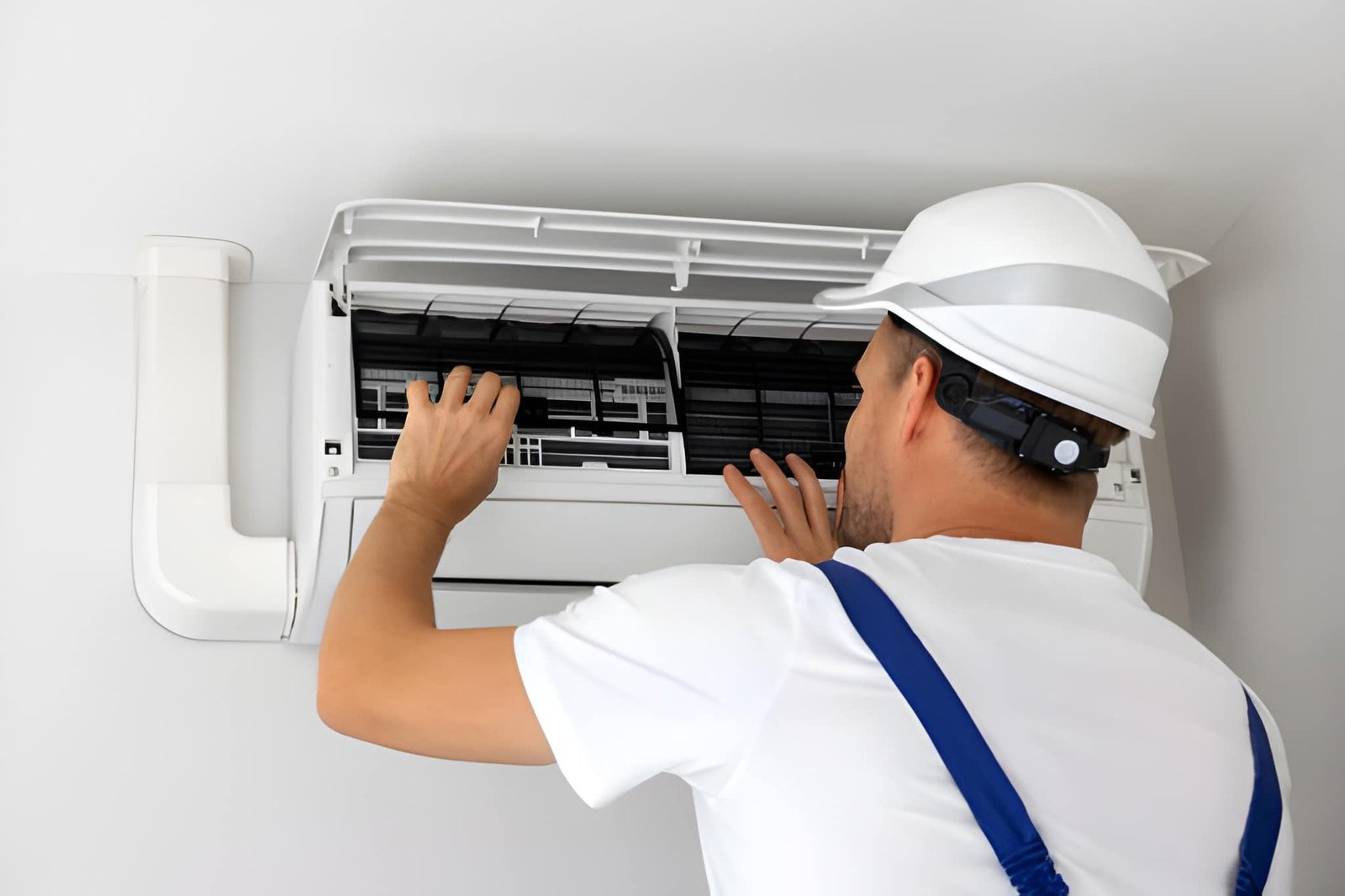
August 29, 2026You can break into HVAC/R through three main paths: a formal apprenticeship (3-5 years, paid while you learn), a trade school program (6 months to 2 years, then entry-level hire), or a direct on-the-job trainee role with a company willing to train you from scratch. All three are viable in Southern California right now because demand outpaces the supply of qualified technicians.
Walk into just about any restaurant kitchen, grocery back room, or warehouse cold storage unit in Southern California and you’ll find the same problem. There aren’t enough technicians who know how to keep that equipment running. Owners are waiting days for a service call that used to take hours, and a lot of that comes down to one thing: not enough people are entering the trade fast enough to replace the ones retiring out of it.
That gap is exactly why HVAC and refrigeration trainee careers in Southern California have turned into one of the more overlooked opportunities in the skilled trades right now. It’s not just HVAC anymore either. At Refrigeration Control Company, we see this firsthand every time we try to staff up, and we get asked constantly by people looking to switch careers how they’d get started.
The Real Cost of Skipping a Maintenance Contract: A Budget Breakdown for SoCal Restaurant Owners
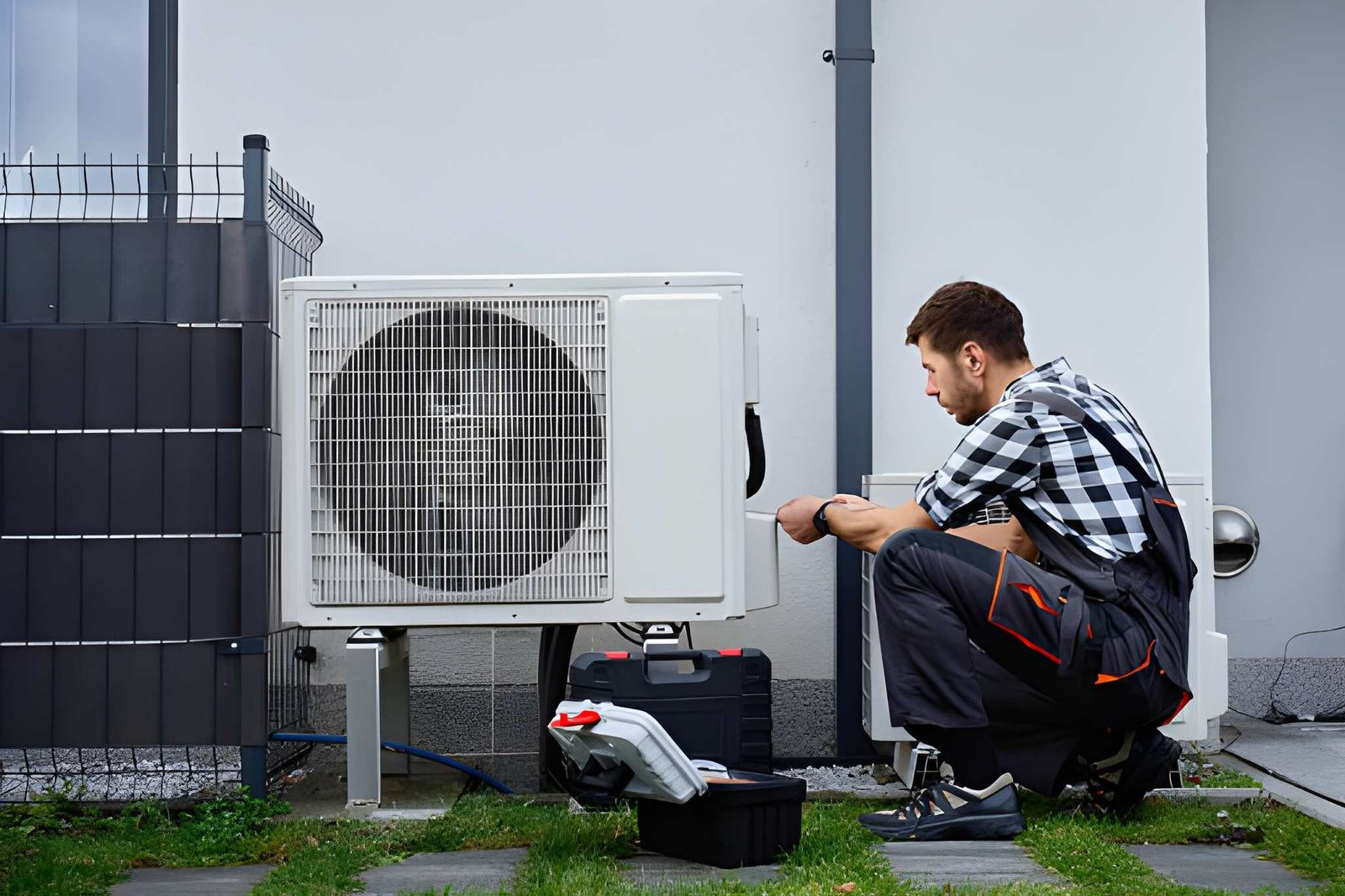
August 14, 2026Most Southern California restaurants pay between $150 and $500 a month for a commercial refrigeration maintenance contract, depending on how many units they run and how old that equipment is. That’s still less than what one emergency repair or one night of spoiled inventory tends to cost on its own.
Most restaurant owners find out what a walk-in repair costs the hard way. It’s a Friday night, right before the dinner rush, when the compressor gives out and every case of protein in the box starts creeping past 41 degrees. By the time the technician leaves, you’re not just looking at a repair invoice. You’ve lost inventory, thrown your staff into scramble mode, and maybe earned yourself a call from the health inspector.
When Your Restaurant Cooler Stops Working, Every Minute Counts
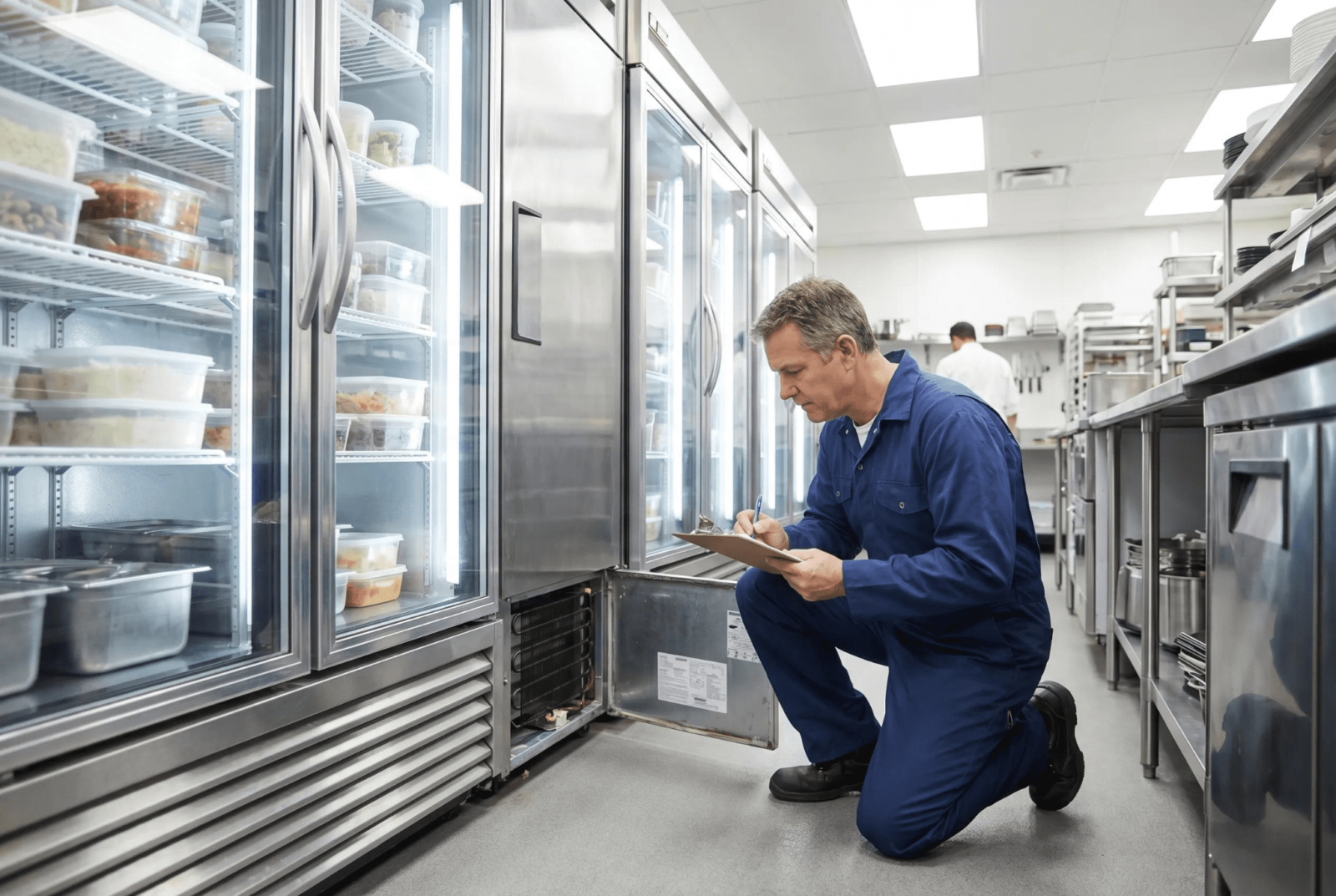
July 15, 2026We get the call almost every week: a walk-in cooler that was fine an hour ago is suddenly climbing past 40°F in the middle of service. Having a restaurant cooler failure plan for before, during, and after a breakdown gives your team a clear way to respond instead of scrambling. Prepare your staff ahead of time, protect your products the moment something goes wrong, and investigate the cause once the equipment is repaired. That sequence is exactly what we walk our clients through at Refrigeration Control Co., and it helps limit the damage every time.
A commercial cooler never seems to pick a convenient time to quit. It happens in the middle of the lunch rush, at two in the morning, or on the Friday before your busiest weekend of the month. In our experience, the restaurants that come out ahead aren’t necessarily the ones with newer equipment. They’re the ones with a clear response plan, staff who know what to do when temperatures start rising, and a preventive maintenance routine that helps catch potential problems before they become emergencies.
Why Thermostat Swing Matters for Orange County Commercial Refrigeration
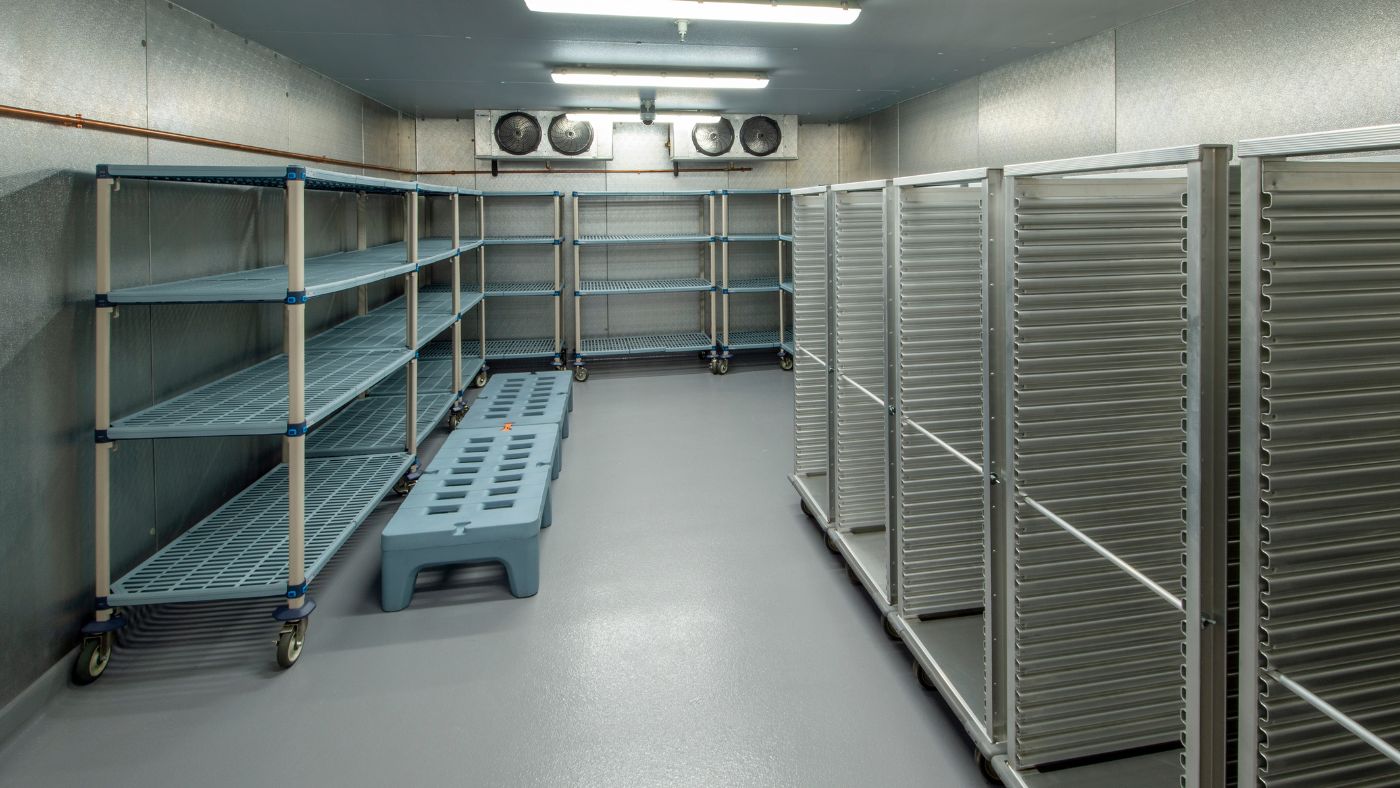
June 9, 2026In commercial refrigeration, temperature control is not just about setting a number and hoping the system holds it. For restaurants, markets, food distributors, commercial kitchens, convenience stores, labs, and other businesses in Orange County, California, consistent refrigeration performance affects product quality, food safety, operating costs, and customer trust.
That is where thermostat swing becomes important.
Thermostat swing is the temperature range your refrigeration system allows before it turns cooling on or off. For example, if a walk-in cooler is set to 38°F and has a 4°F swing, the system may allow the temperature to rise a few degrees before the compressor cycles on again. This is normal. Most commercial air-sensing thermostats operate with a 3° to 5°F swing.
The key question is not whether your system has temperature movement. It should. The better question is whether the system is responding correctly.
California Refrigerant Rules 2026: What Facility Owners Should Know
March 3, 2026If you manage refrigeration in California, the biggest trend impacting your operations right now might not be a new piece of equipment. You’re likely focused on regulatory change around refrigerants and the ripple effects that follow: What you are allowed to install, what refrigerants will be easiest to source, and what it will cost to keep existing systems reliable over the next several years.
On January 1, 2026, the U.S. EPA’s AIM Act “Technology Transitions” rules tightened which higher-GWP HFC refrigerants can be used in new equipment in several commercial refrigeration categories. In California, those federal requirements layer on top of state-level efforts that have already been pushing the market away from certain high-GWP refrigerants (including restrictions on bulk virgin refrigerant sales for some products).
Even if your plan is “no new installs,” these changes still affect you immediately, because the first thing that changes is the customer conversations and leads times.

How Much is a New HVAC System?
January 9, 2026Commercial HVAC Sales & Service for Small, Medium, and Large Businesses
The cost of a new commercial HVAC system depends on your building size, system type, and whether you are installing new equipment or replacing an existing unit. For businesses in Southern California, including Orange County, Los Angeles County, San Bernardino County, and Riverside County, commercial HVAC pricing is typically driven by square footage, occupancy demands, zoning requirements, and efficiency standards.
Small storefronts, mid-sized office buildings, and large facilities all require different HVAC solutions, which is why costs can vary significantly.
In this article, we break down realistic commercial HVAC system costs by building size to help you plan accurately.
Understanding Commercial Refrigeration: Answers to Common Questions
October 29, 2025If you manage a restaurant, grocery store, or food storage facility, your refrigeration system isn’t just another appliance. It’s the backbone of your business. Proper commercial refrigeration service ensures compliance with FDA food safety regulations, energy efficiency, and reliable temperature control that protects your inventory and your bottom line.
At Refrigeration Control Co., our certified technicians specialize in the installation, maintenance, and repair of advanced commercial refrigeration equipment throughout Southern California.
In this post, we’ll answer some of the most common questions business owners ask, covering topics like pump-down systems, temperature swings, refrigerant choices, and installation costs.

Commercial Refrigeration Installation: 10 Important Tips
September 19, 2025If you’re setting up a restaurant kitchen, stocking a grocery store, or running a busy warehouse, getting your refrigeration system right from the start is key. The right setup keeps food safe, saves on energy costs, and ensures everything runs smoothly for years to come
The experienced team at Refrigeration Control Co. specializes in commercial refrigeration installation, including refrigeration equipment installation, maintenance, and upgrades. We offer 10 must-know tips before installing or upgrading your commercial cold storage systems.
We implement all of these when working with our clients to make sure your commercial cooling systems work efficiently.

Avoid Costly Spoilage: Emergency Commercial Refrigeration Repair Services
June 13, 2025For restaurants, grocery stores, and food warehouses, refrigeration system failures can lead to disastrous consequences. When refrigeration systems stop working, you’re not just facing expensive repair costs; you’re putting your inventory, compliance, and reputation at risk. Luckily, with rapid-response emergency commercial refrigeration services, you can minimize damage, protect your business, and get back up and running quickly.
How to Tell if an AC Capacitor is Bad
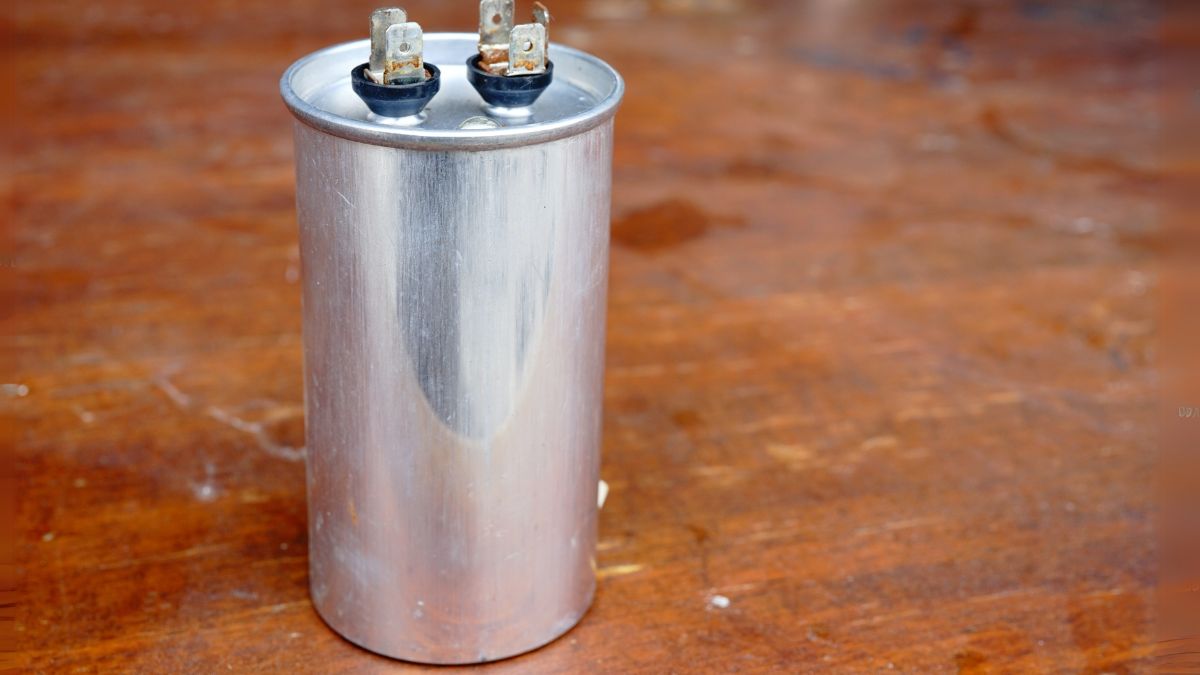
February 3, 2025To tell if an AC capacitor is bad, you can perform a few checks and tests but if you don’t feel confident using a multimeter nor handling electrical parts, it’s best to call a professional.
While multimeters are relatively affordable and easy to use, they require a solid understanding of electrical systems to use effectively and safely. We offer HVAC repair and preventative maintenance on all types of equipment, including AC capacitors.
Plus, Refrigeration Control Co.’s service vehicles are stocked with a large inventory of parts and supplies. Contact us now to request service and resolve any AC capacitor issues your business is experiencing.
Here are some common signs and methods for identifying a bad AC capacitor: